
Established science. A new approach.

The Cambridge Code is underpinned by a range of well-recognised research covering human developmental psychology, developmental states of mind, child and adult attachment theories, constructivist psychology and neuroscience.

Drawing on this body of evidence, our team of research scientists and clinicians have developed the first digital tool capable of reading and interpreting the mind’s subconscious behaviour

The Cambridge Code works by recording invisible subconscious processes to build up a picture of the mind. It gives us access to an individual’s innate and learnt ways of making decisions and how they naturally react to the world. The Cambridge Code is like a DNA profile, but of the mind.
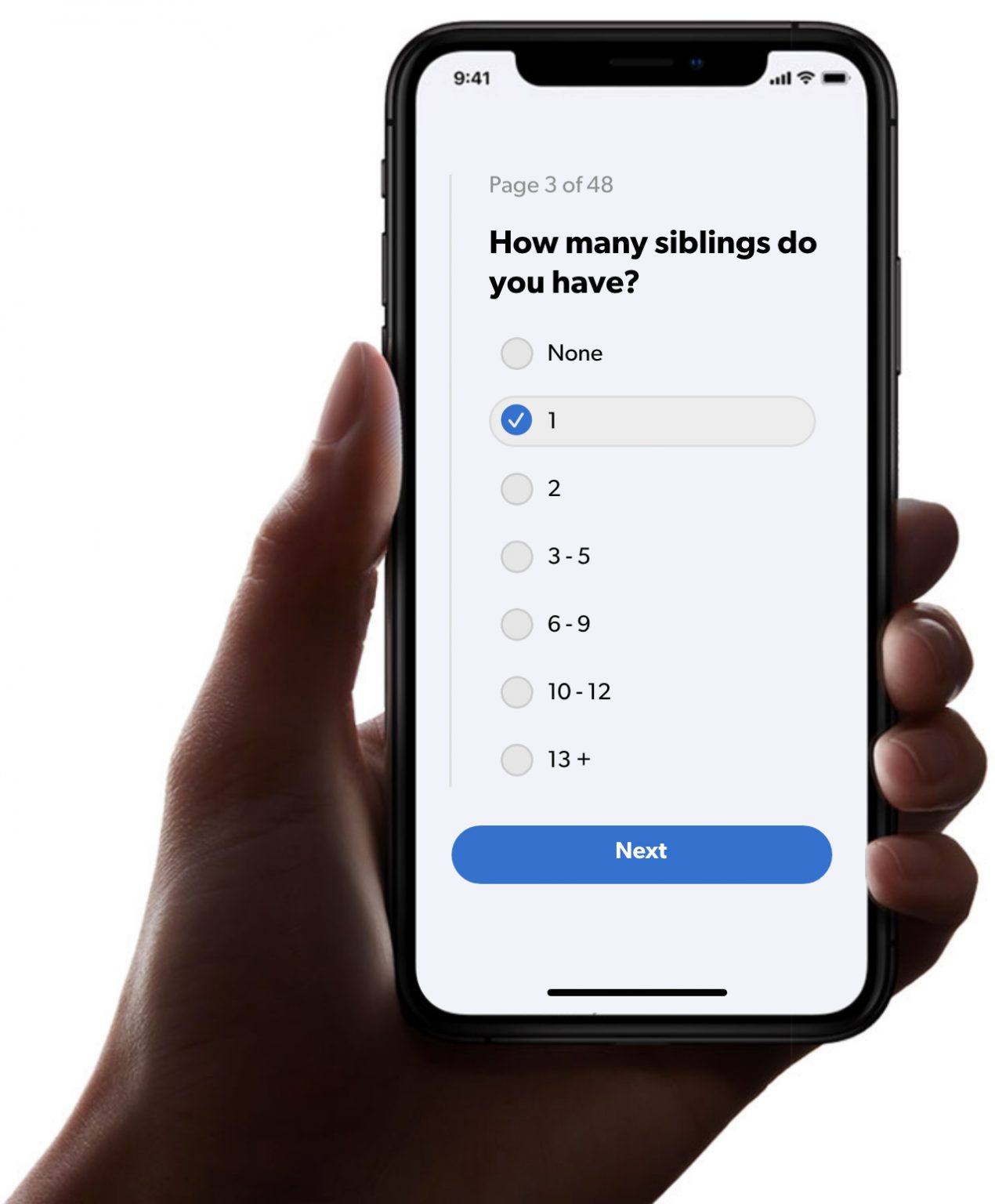
A unique assessment.


Measures the why

Goes beyond visible or self-reported behaviours to understand what sits behind these and reveal why people behave in the way they do.


Sees the individual

Treats the individual as a unique entity rather than comparing them to the average or norm within a given group or population.


Perceives and predicts

Helps to understand and predict future behaviours by looking at innate characteristics that inform a person’s preferences and choices.

The paradigm.

The Cambridge Code pinpoints the interplay between changes in states of mind. As an adult, we spend most of our time in a “mature” state. But it’s also possible for us to momentarily slip back to an earlier stage of development before recovering our composure – for instance when something painful or embarrassing happens, or simply when reminiscing about a childhood memory.

The questions deliberately try to provoke these changes in your state of mind, and the tool interprets these invisible movements to build a reflection of your unique subconscious.

Learn more about TCC Careers
hand holding an iphone